An editorial and print design project focused on developing a cohesive museum identity through catalog layouts, greeting cards, and supporting exhibition materials.
The Museum Collection project was developed around the exhibition
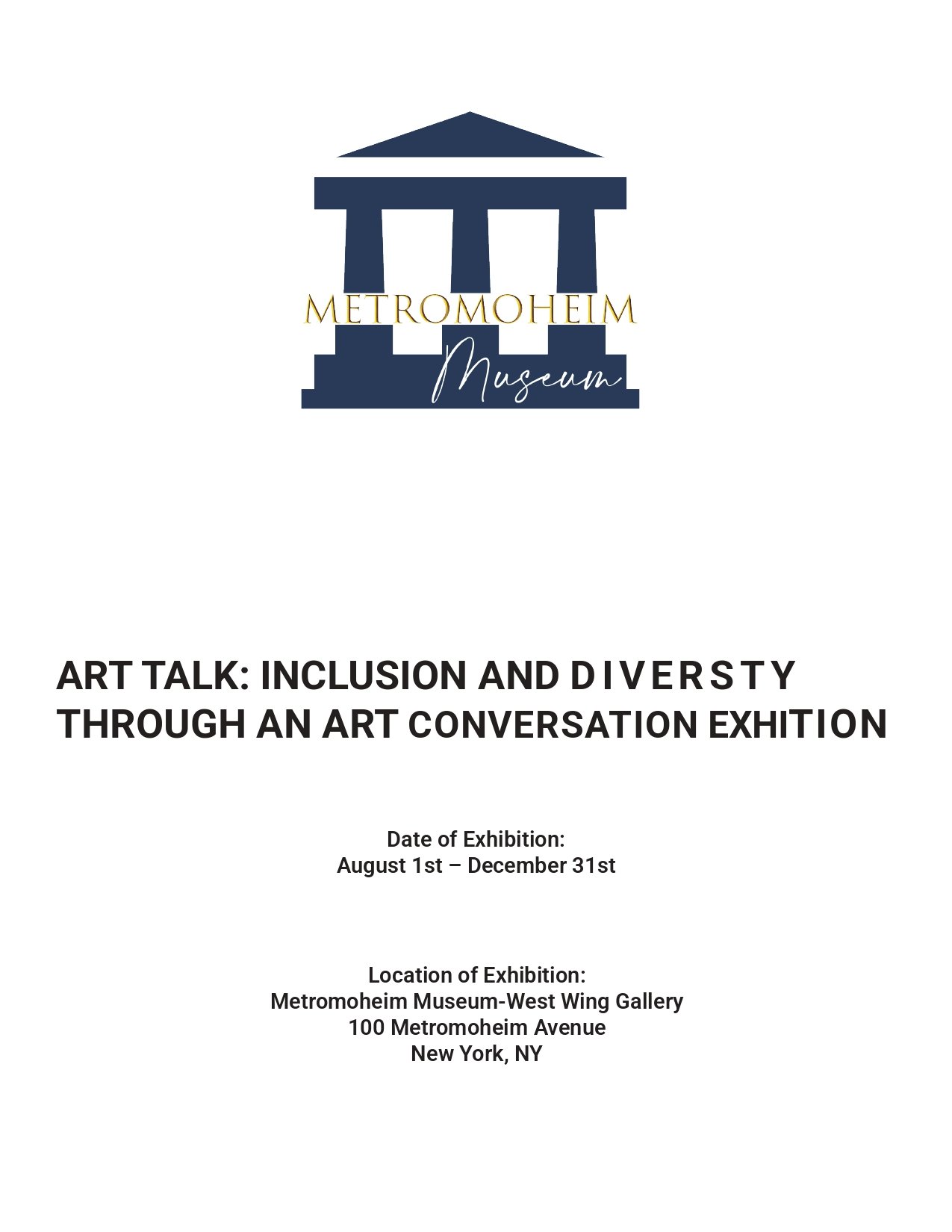
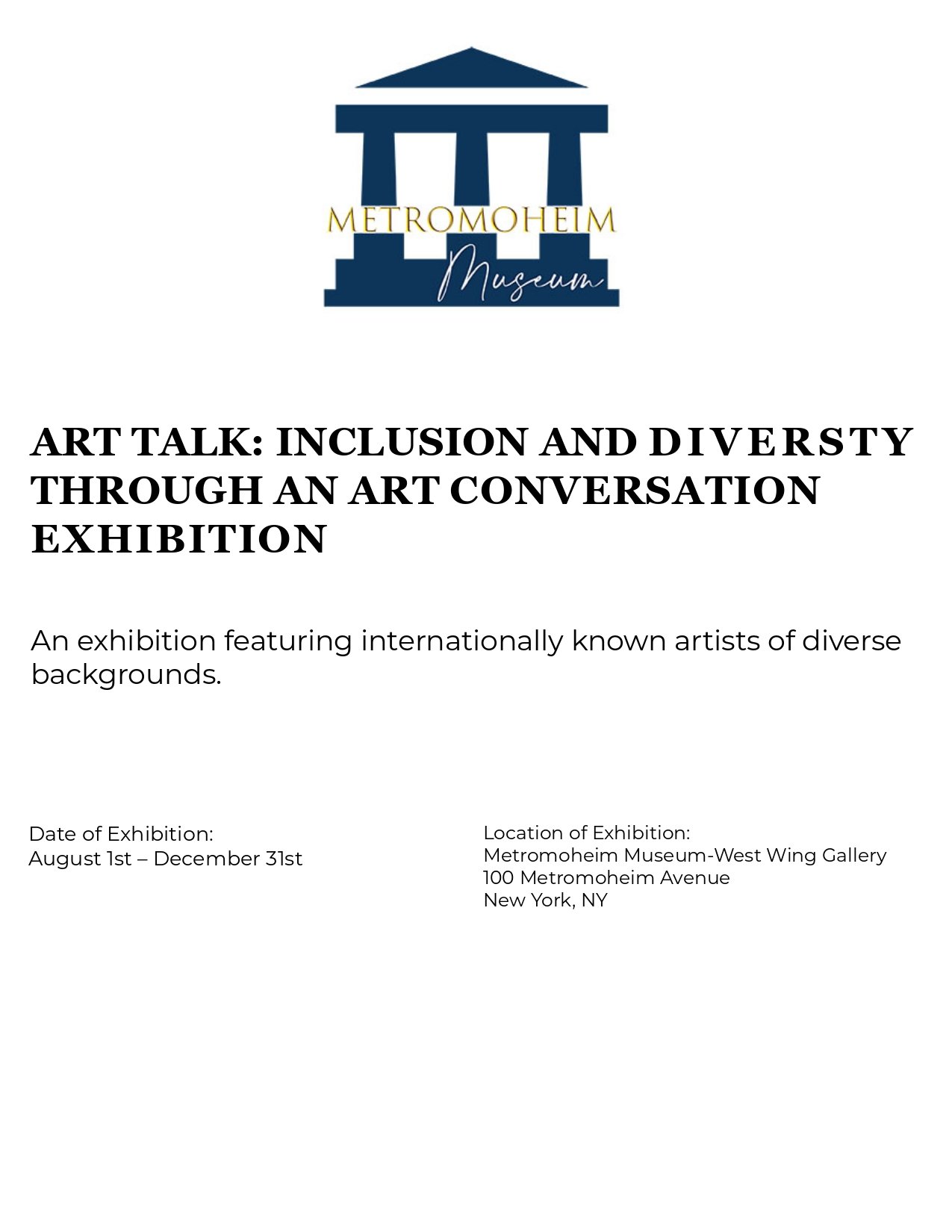
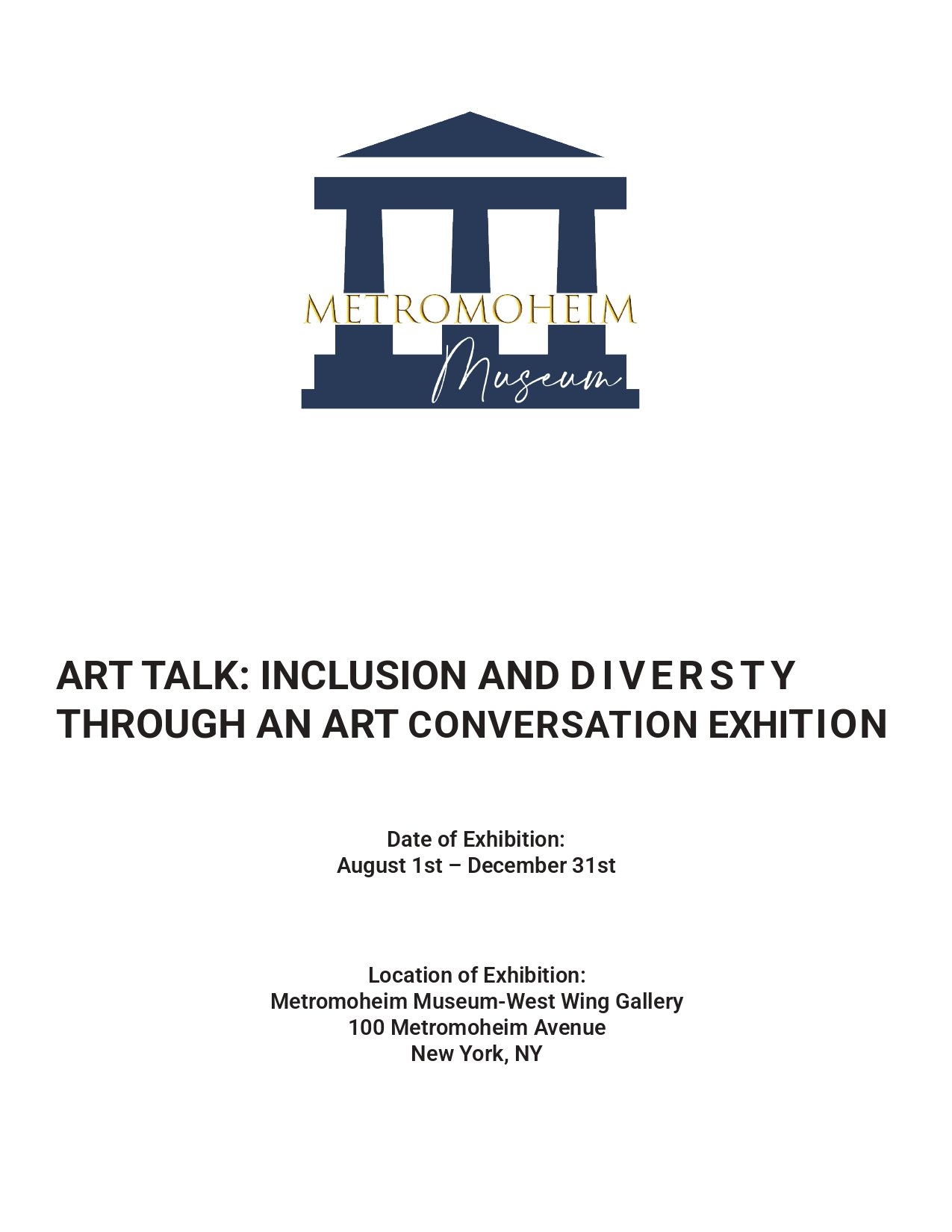
“ART TALK: Inclusion and Diversity Through an Art Conversation.”
The objective was to create a cohesive editorial and print identity that
communicates the exhibition’s theme while presenting information in a
clear, engaging, and visually structured format. The project included
the design of a museum catalog, greeting cards, and supporting print
materials that maintain consistency across every touchpoint.
By combining strong typography, modular grid systems, and thoughtful
composition, the publication guides readers through the exhibition while
celebrating artists from diverse cultural backgrounds in a professional
and accessible way.
Editorial & Print Design
Museum Catalog
Greeting Cards
Exhibition Print Materials
Editorial Layout
Museum Visitors
Art Enthusiasts
Students
Creative Community
Editorial Design
Typography
Grid Systems
Visual Hierarchy
Print Communication
This project demonstrates a range of editorial and print design skills, from organizing complex information to creating visually consistent publications and supporting print materials. The focus was on readability, structure, and delivering a cohesive museum identity across every printed piece.
Present exhibition content, artist information, and supporting text in a structured layout that is easy to read while maintaining a logical flow throughout the publication.
Balance typography, imagery, and white space to create an editorial experience that captures visitors’ attention and encourages exploration of the exhibition.
Develop a cohesive visual system that connects the museum catalog, greeting cards, and supporting print materials through consistent typography, color, and layout.
Create complementary printed materials that reinforce the exhibition identity while remaining clear, professional, and suitable for museum visitors.
The project began by studying the exhibition theme, understanding the target audience, and gathering content that would communicate the museum’s story in a clear and engaging way.
Information was organized into a logical structure, allowing exhibition details, artwork, and supporting text to flow naturally throughout the publication while maintaining readability.
Typography, grid systems, imagery, and spacing were combined to create balanced page layouts that support both visual storytelling and effective information hierarchy.
The completed layouts were refined into a consistent collection of print-ready materials, including the museum catalog, greeting cards, and presentation boards.
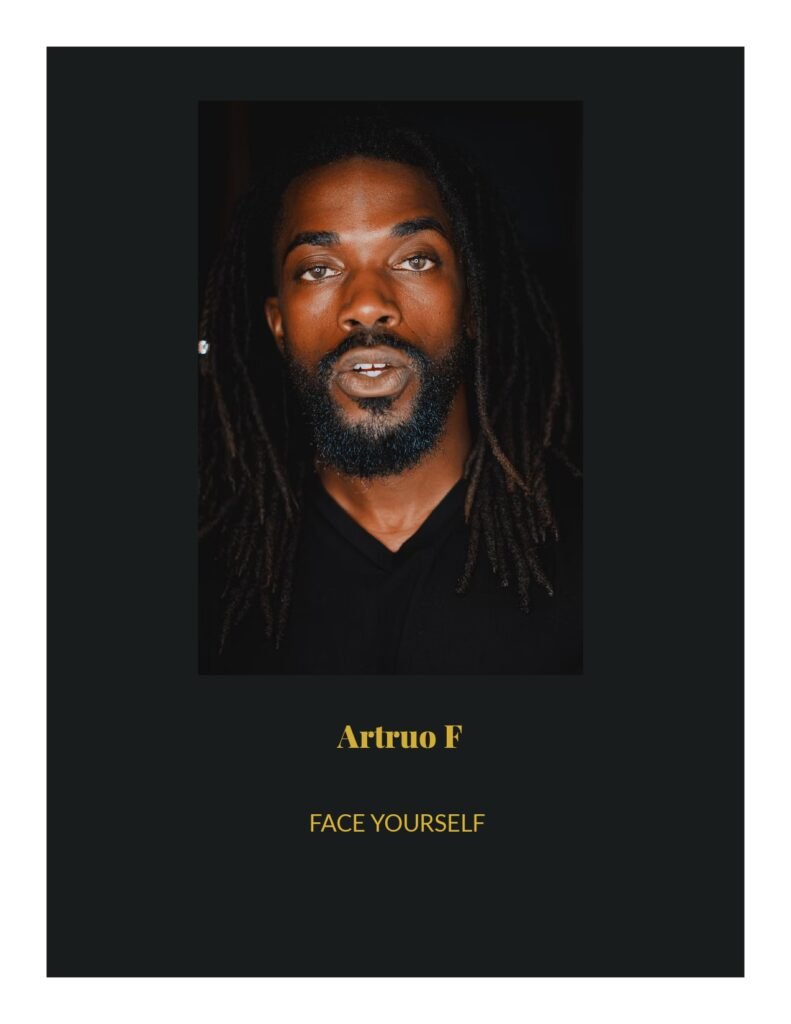
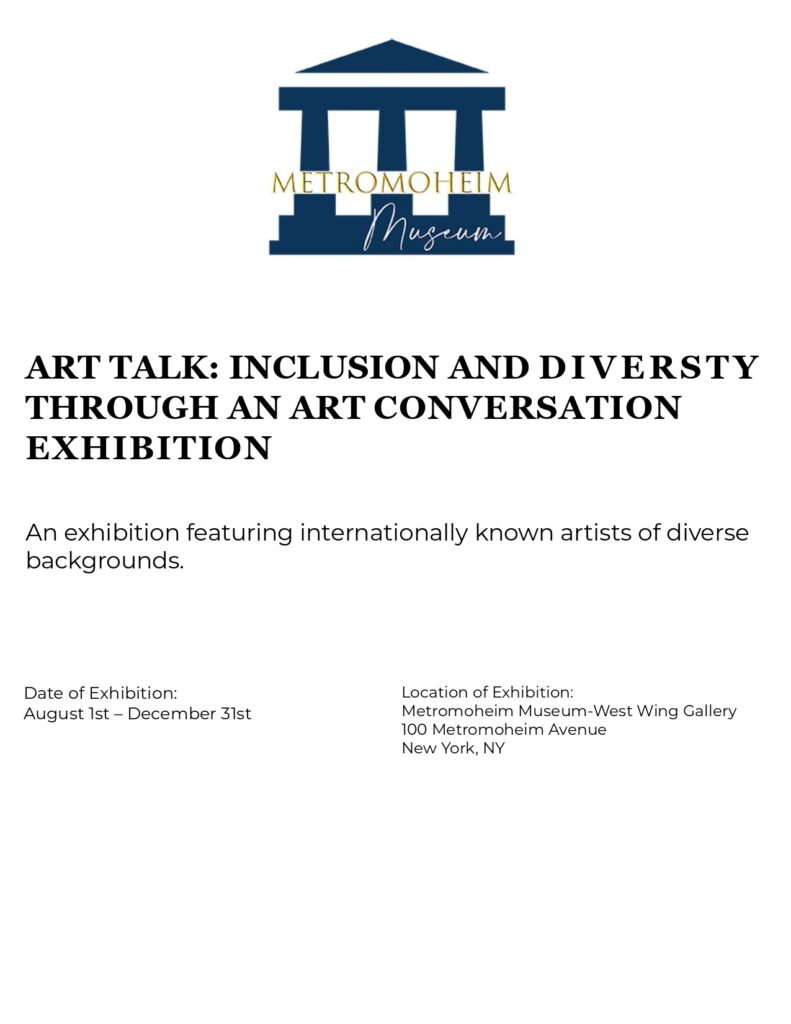
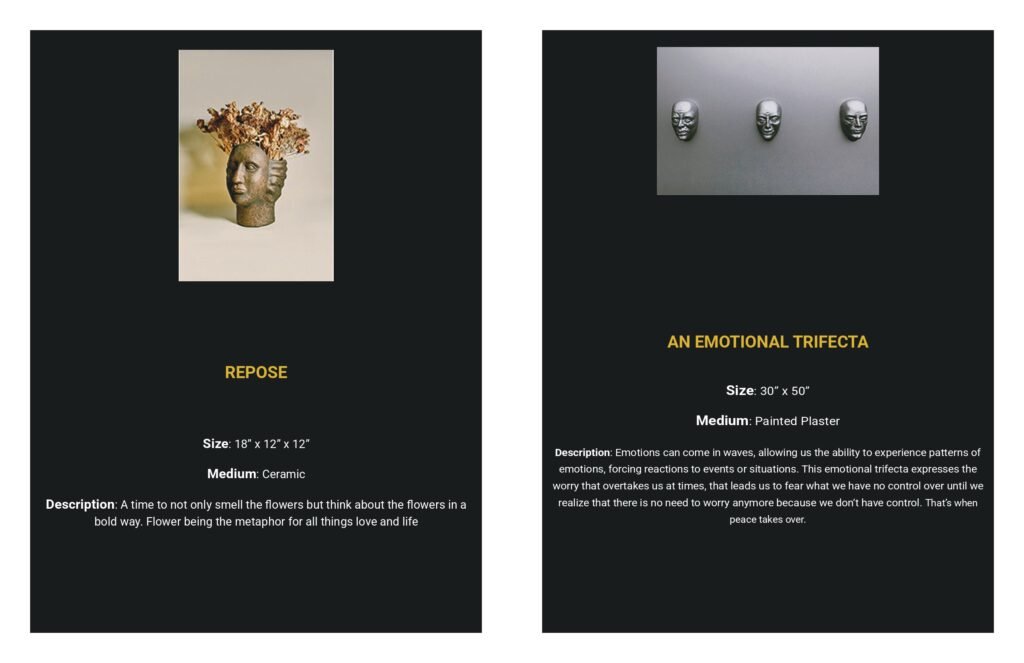
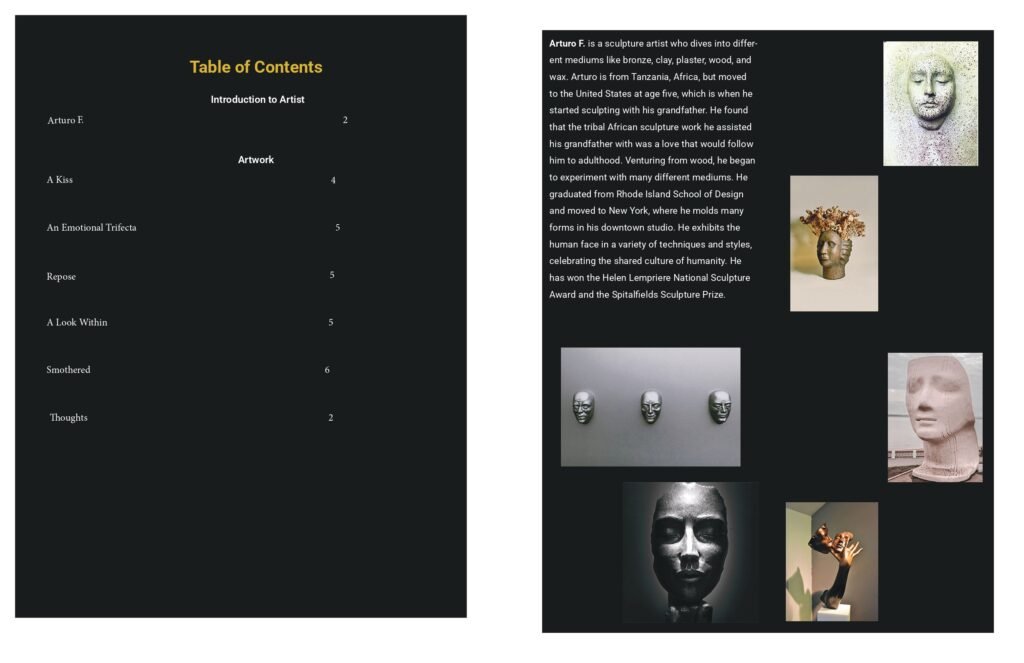
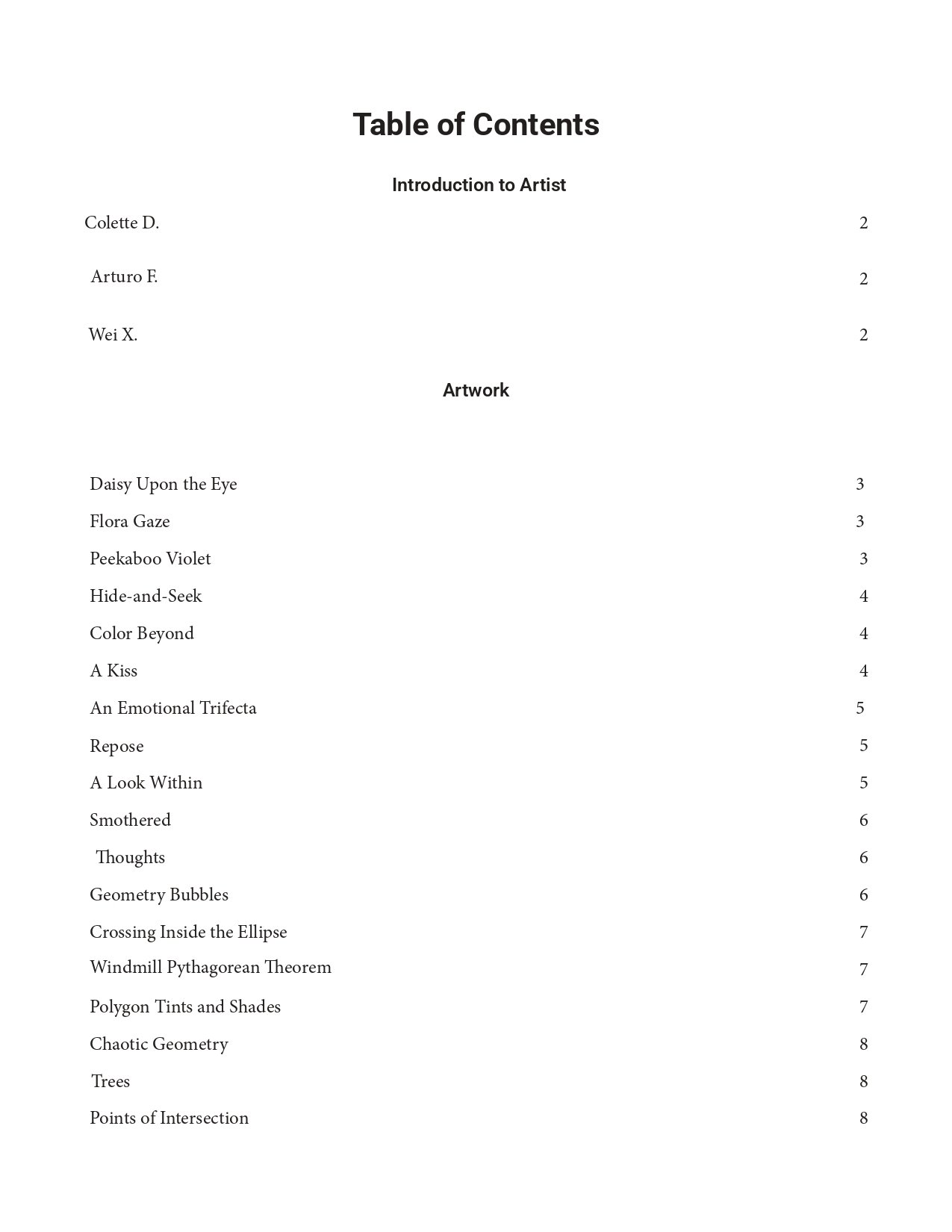
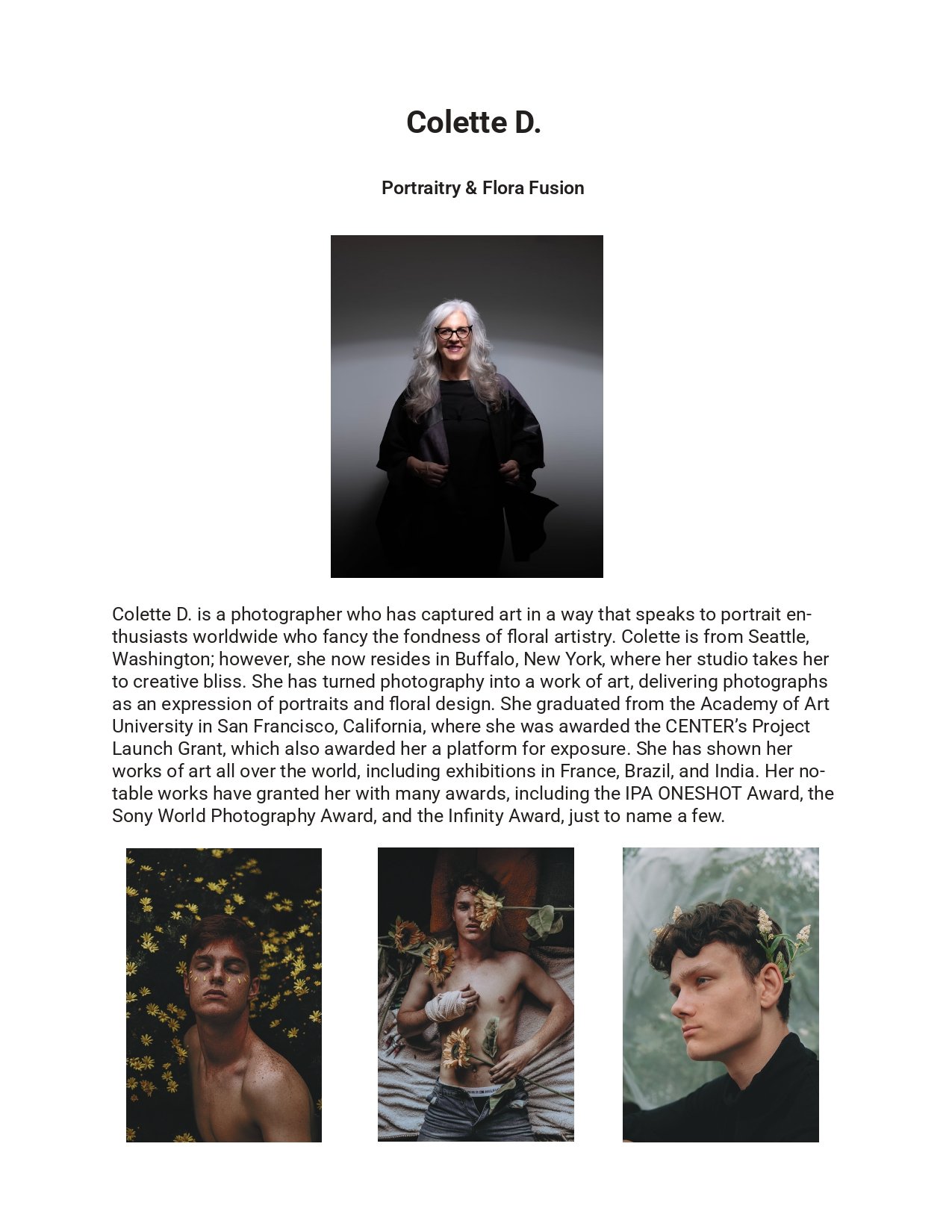
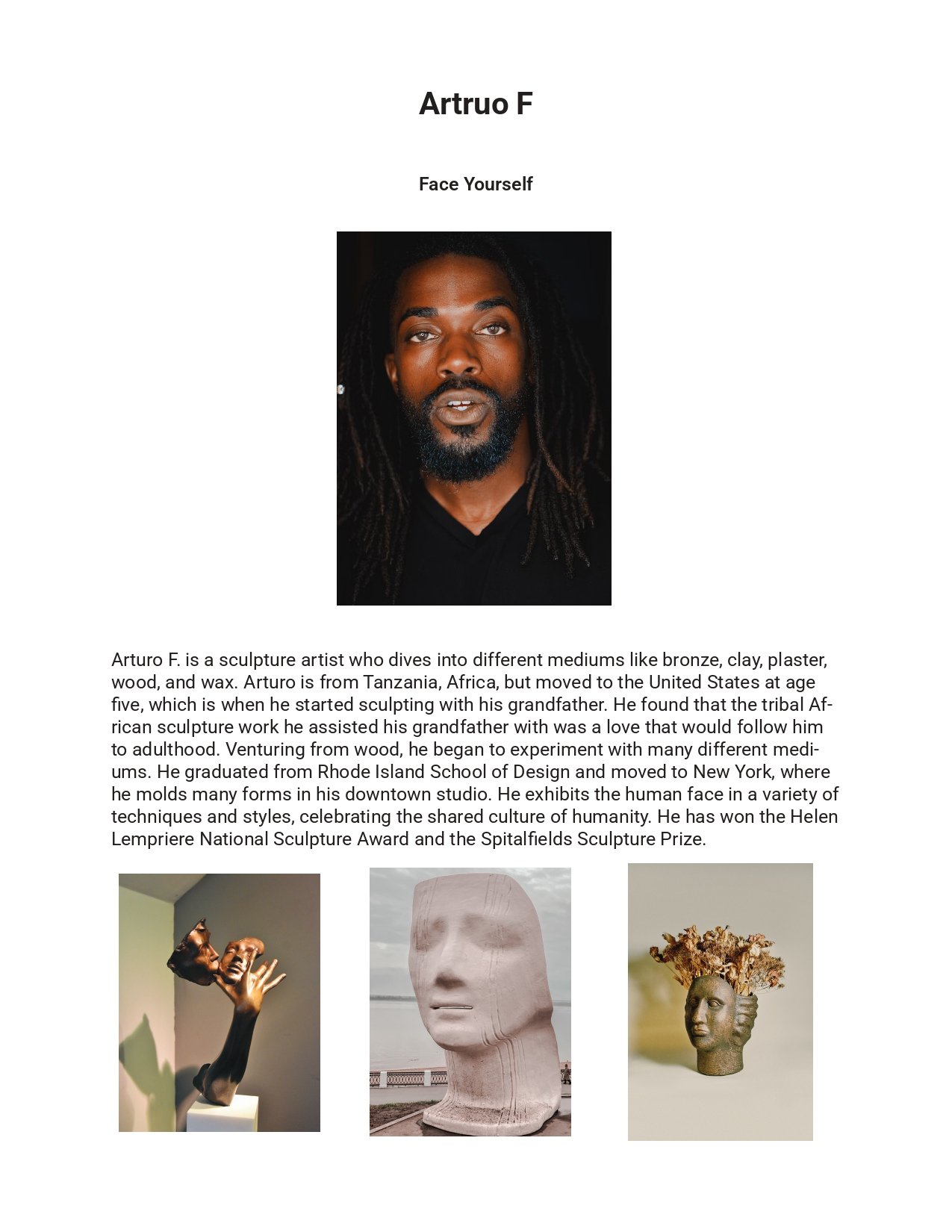
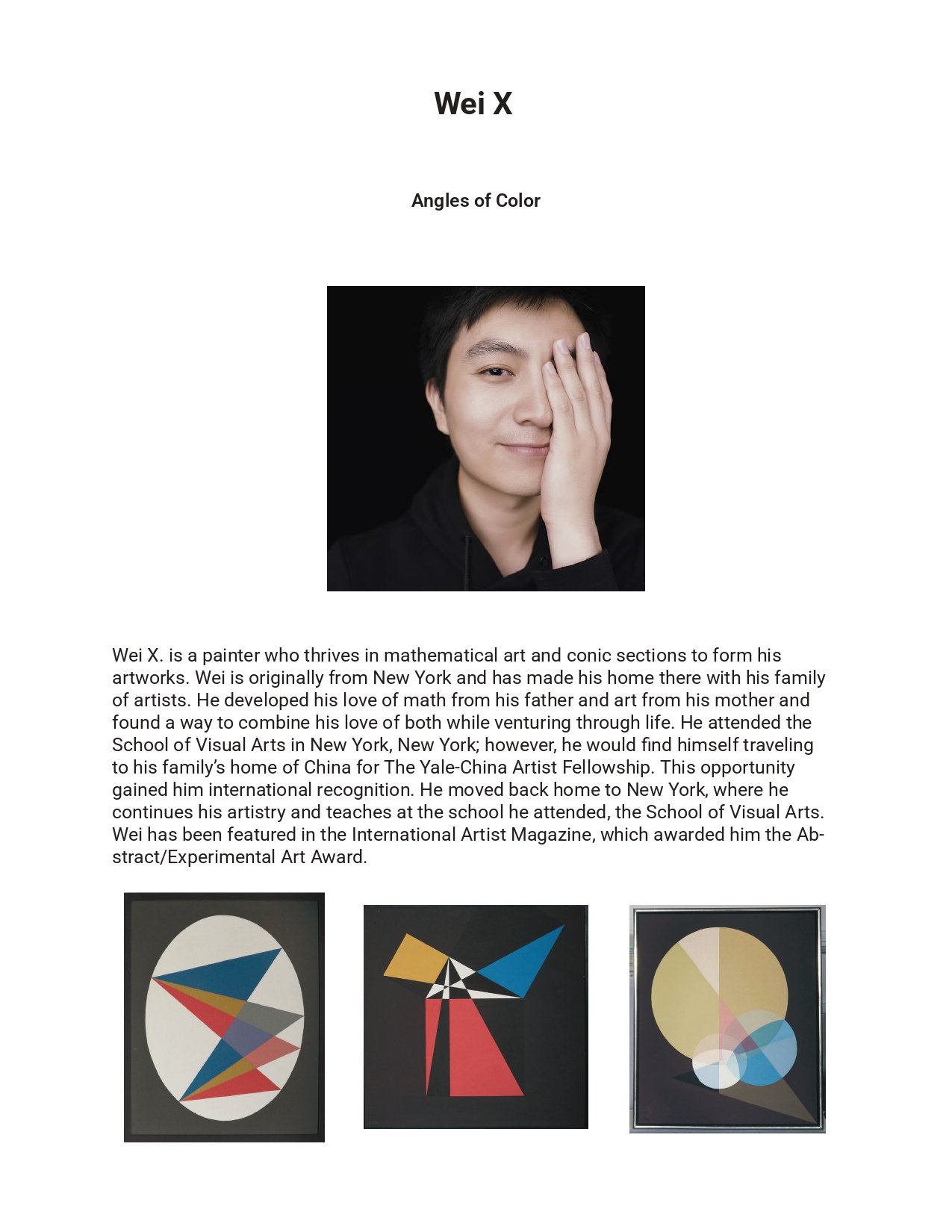
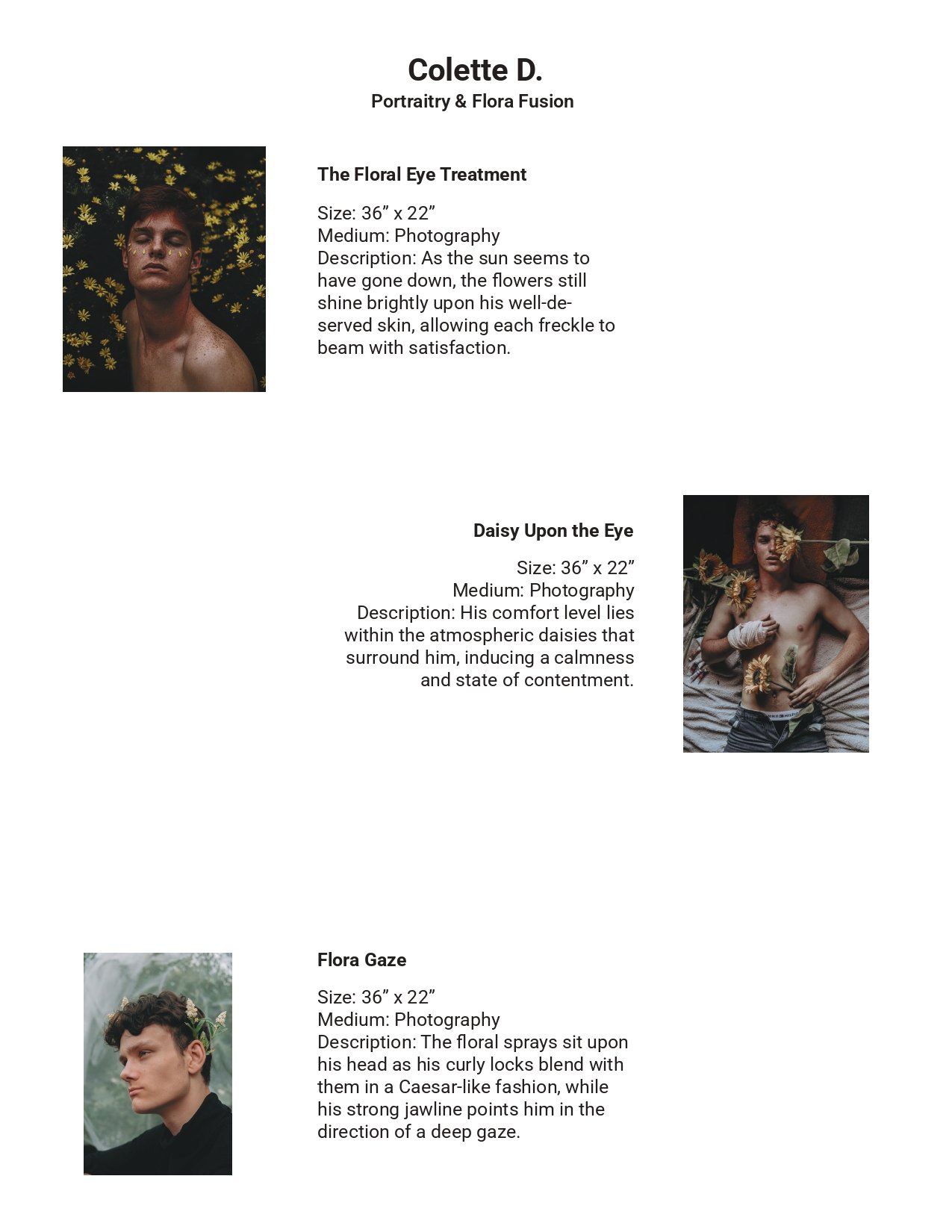
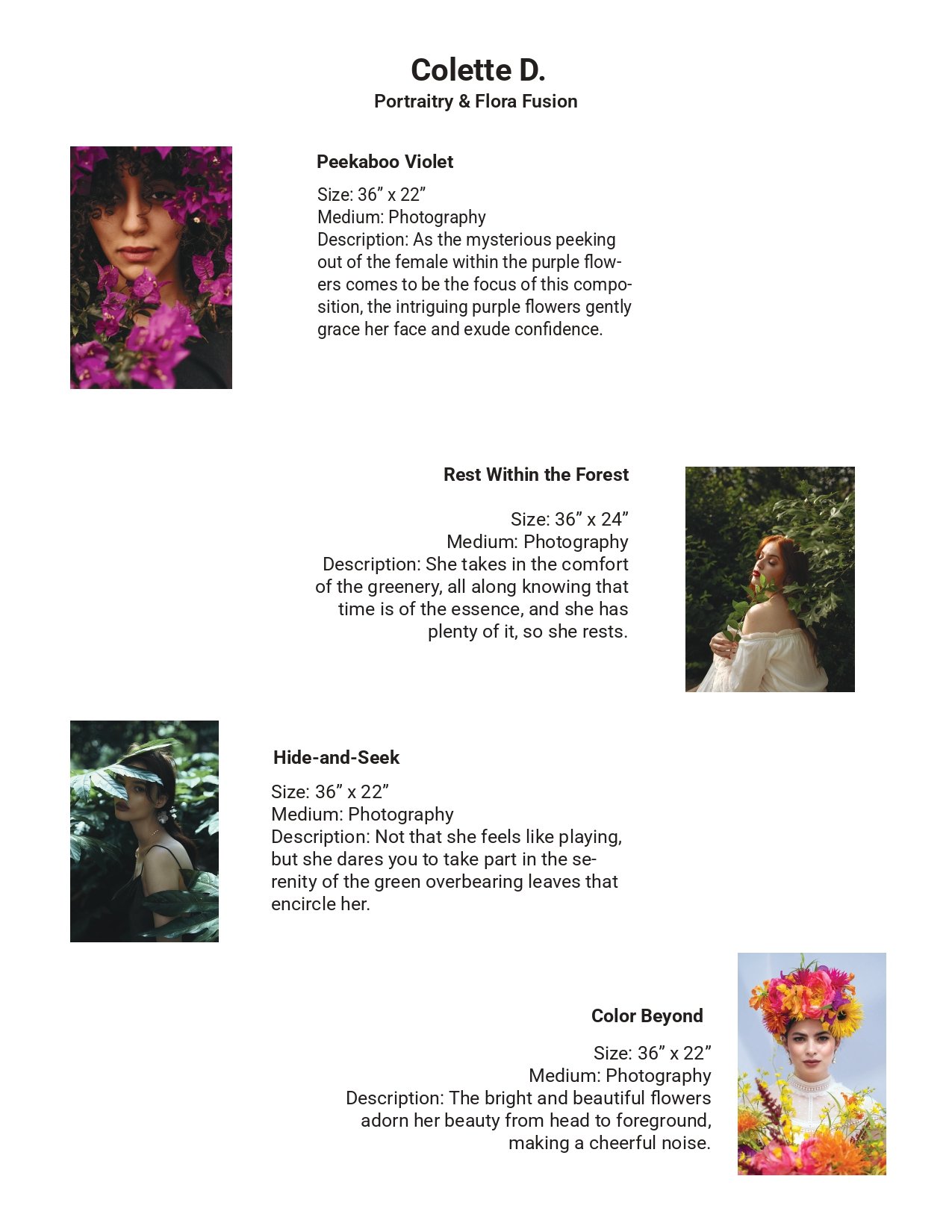
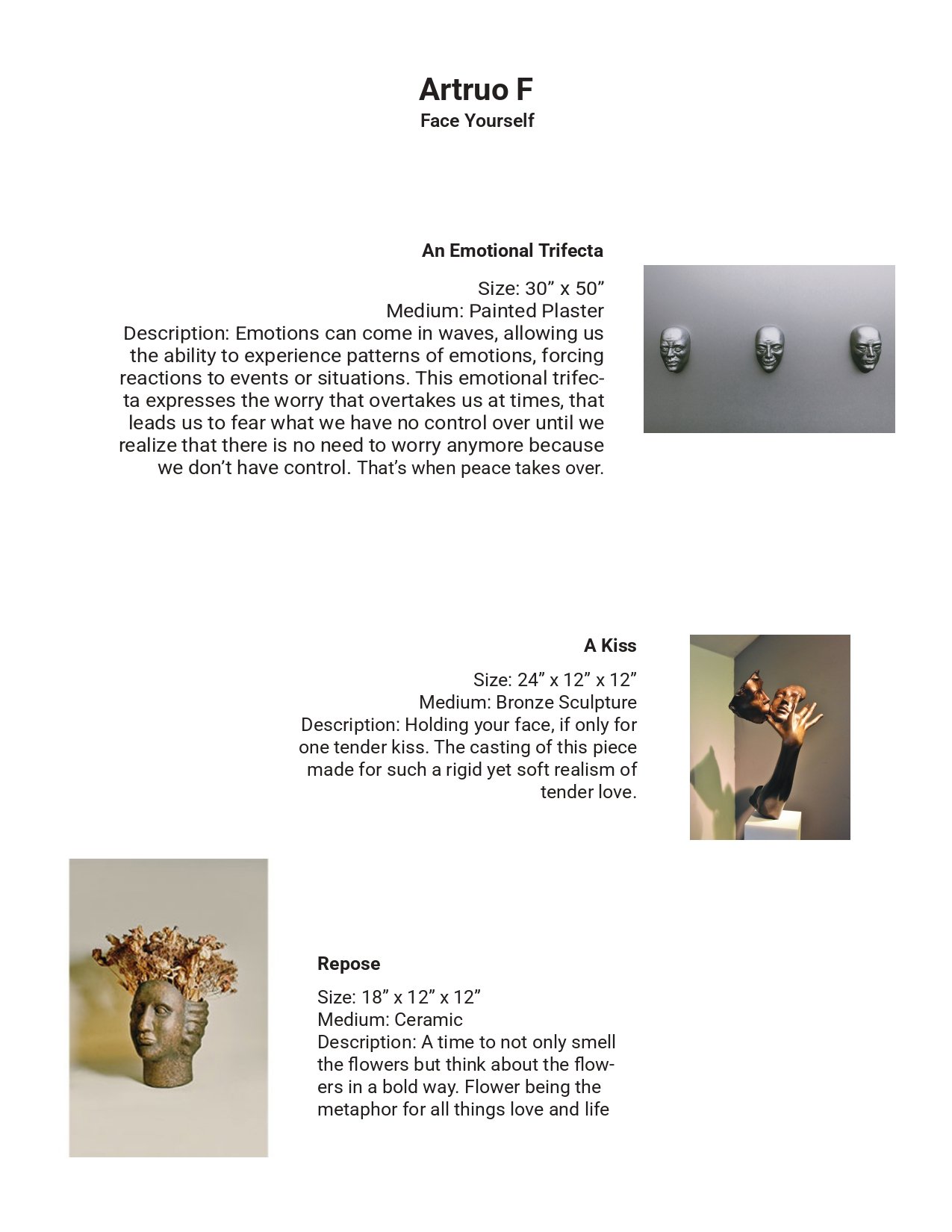
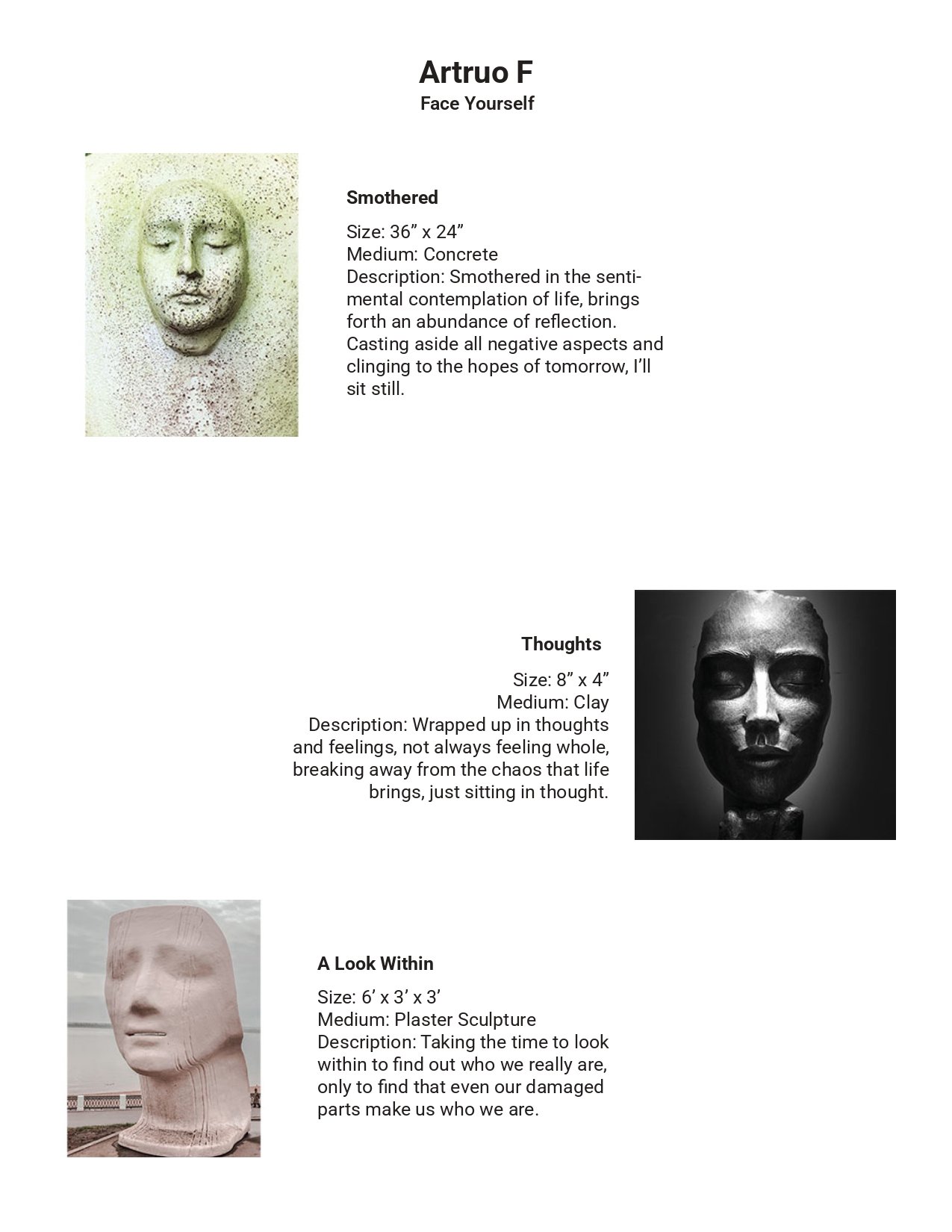
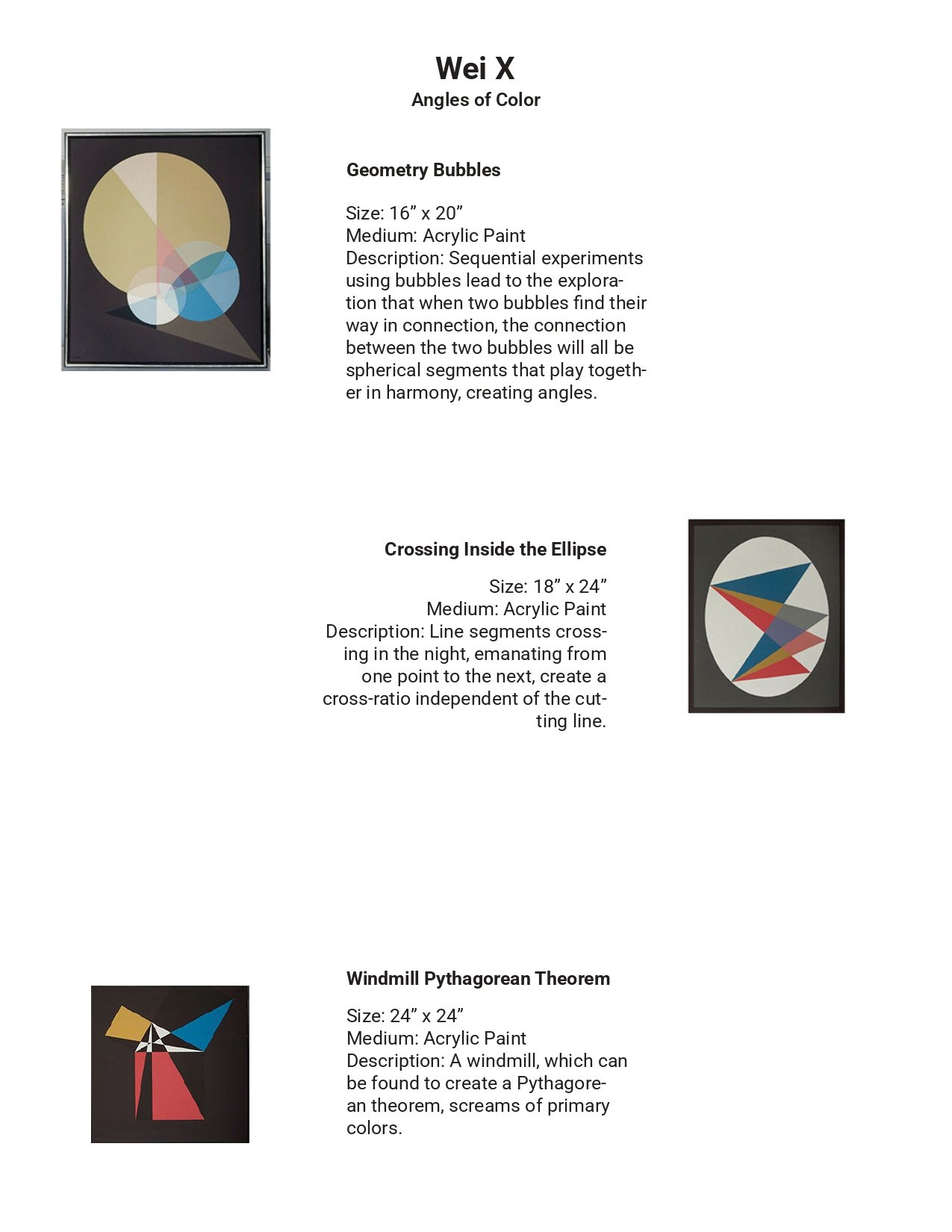
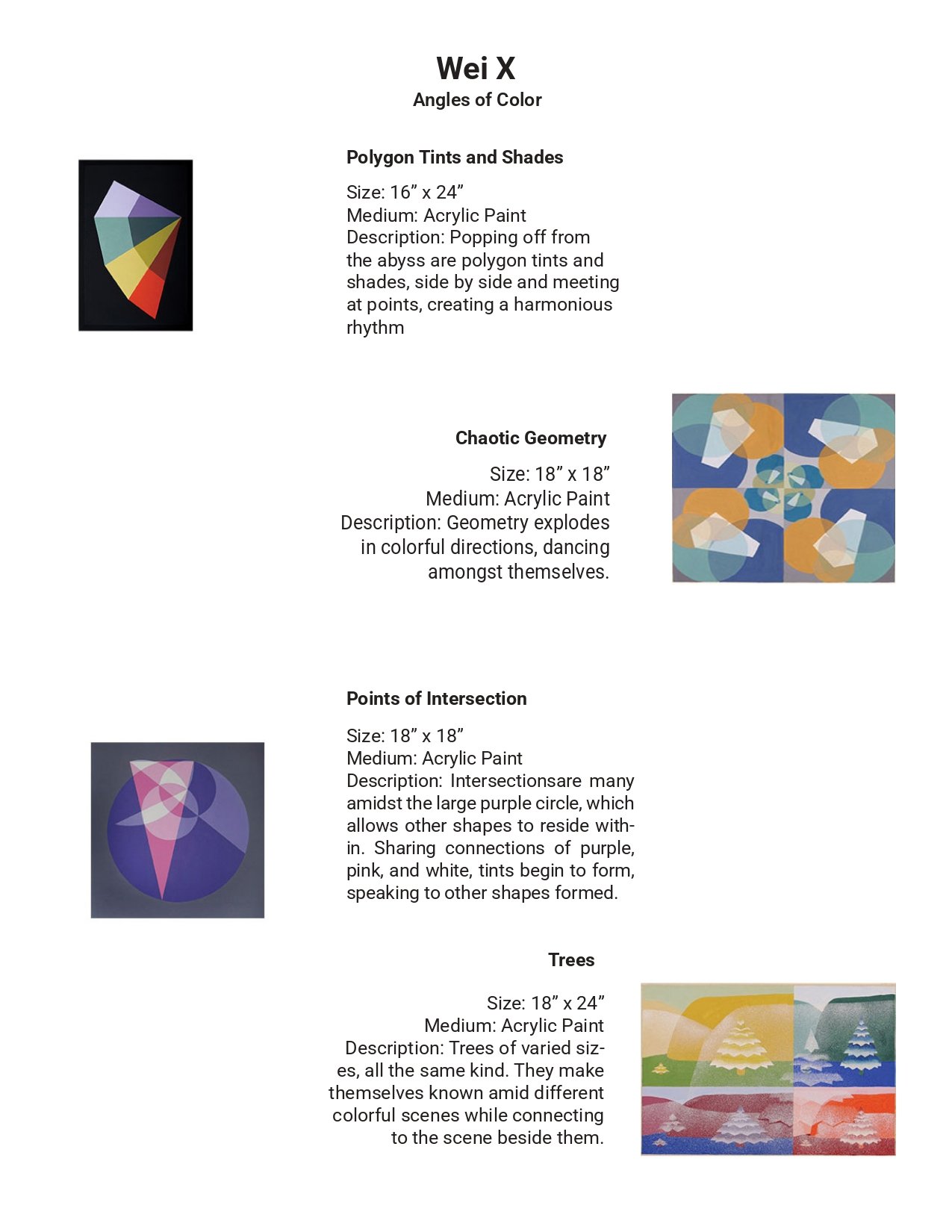
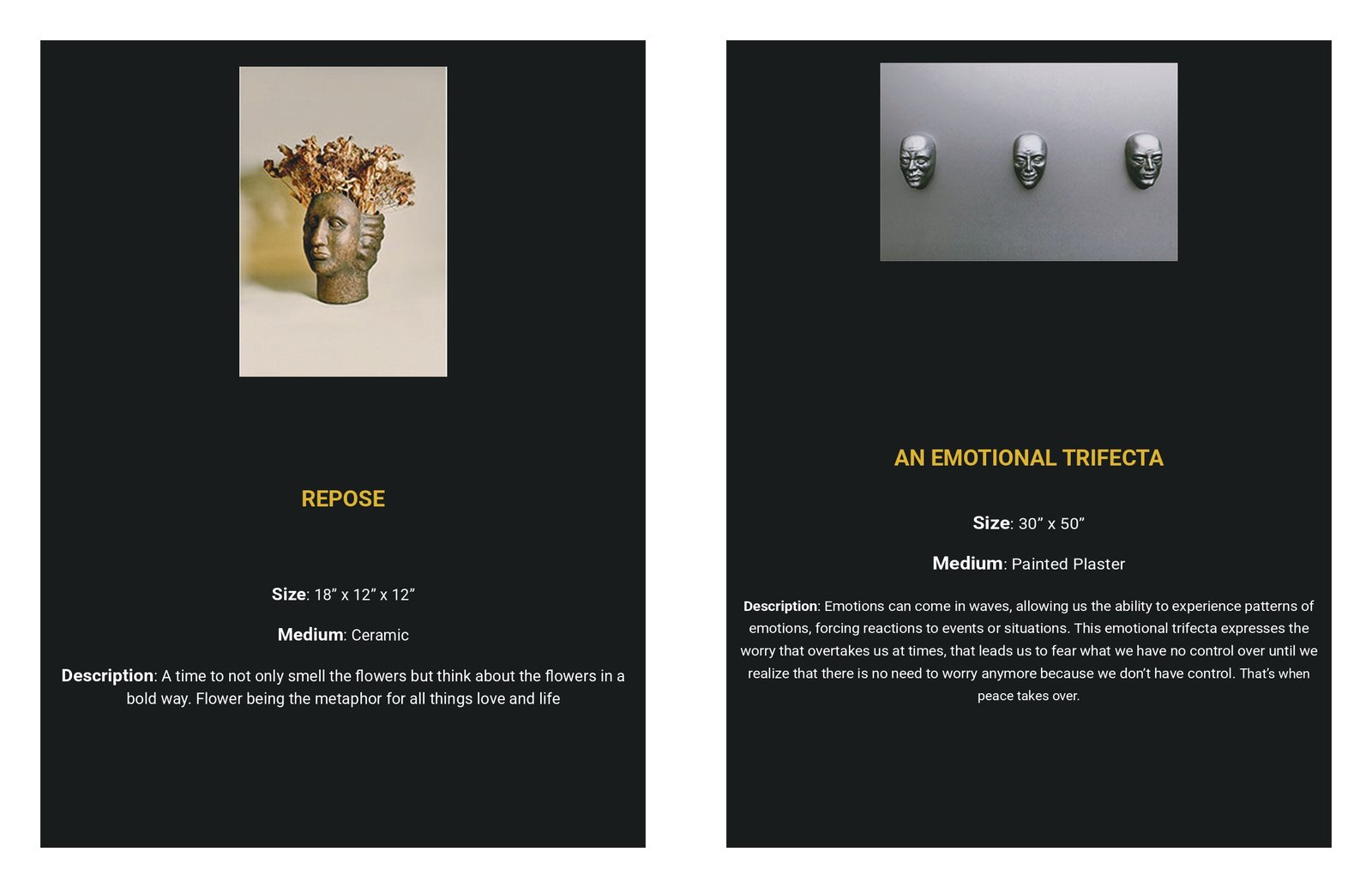
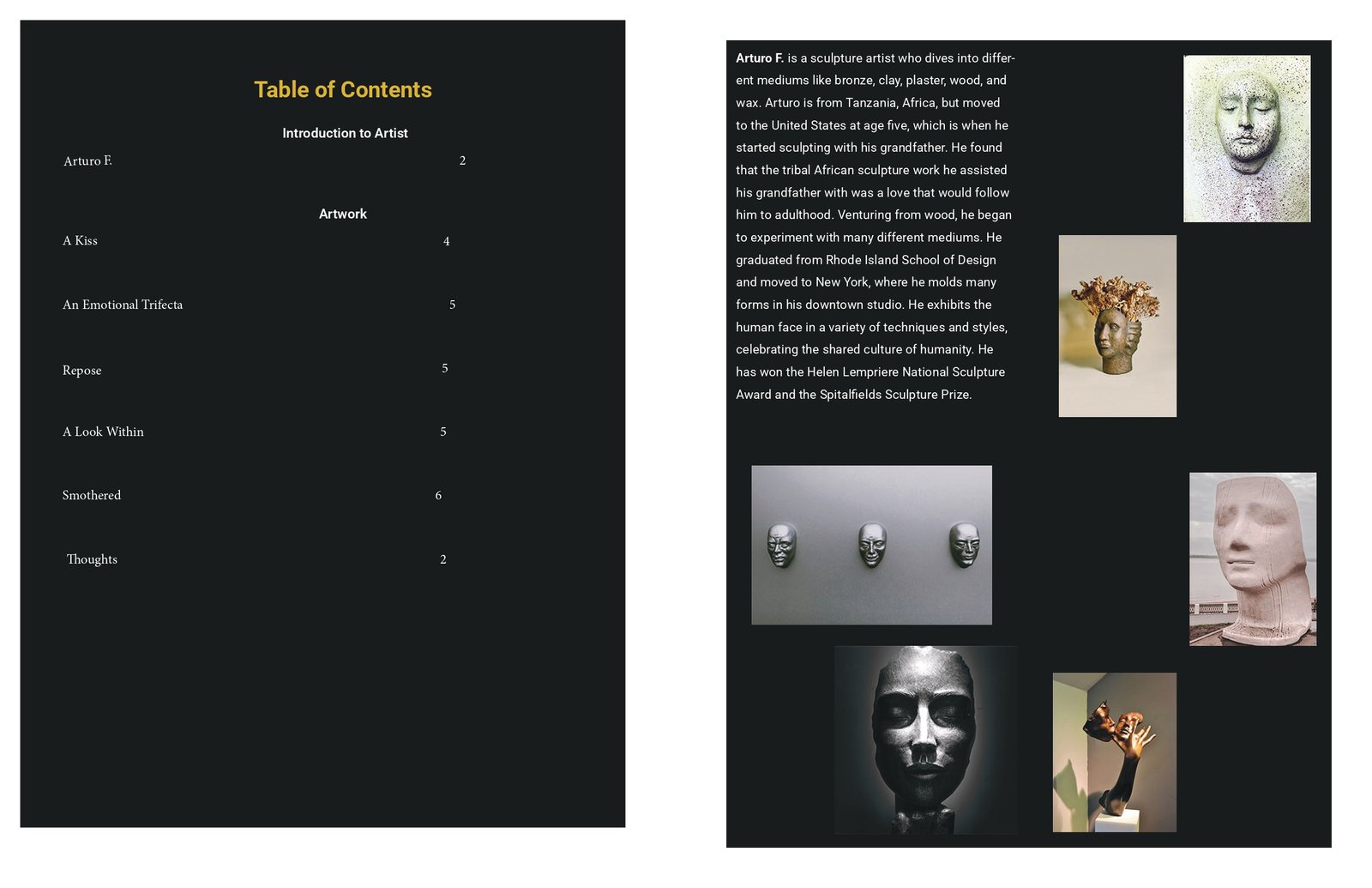
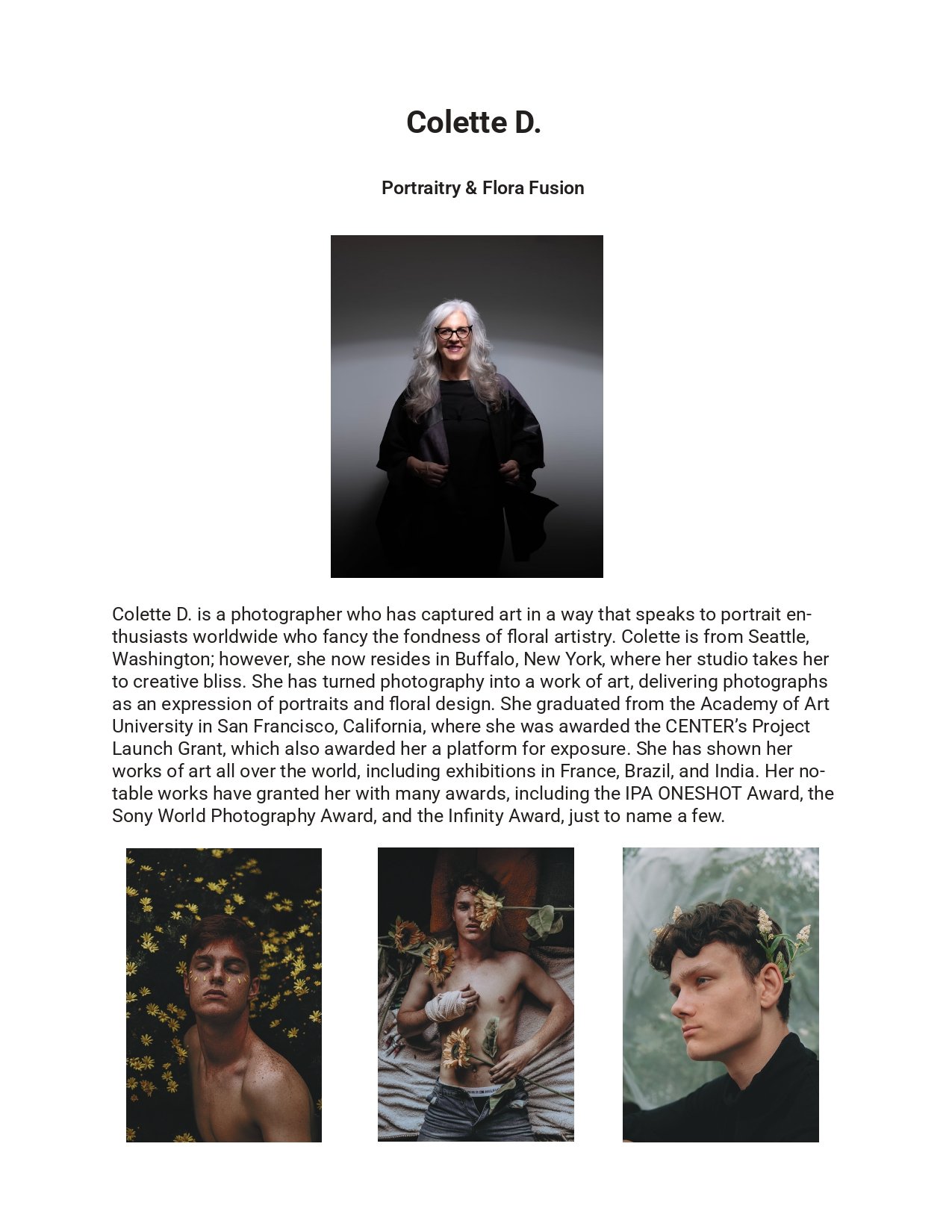
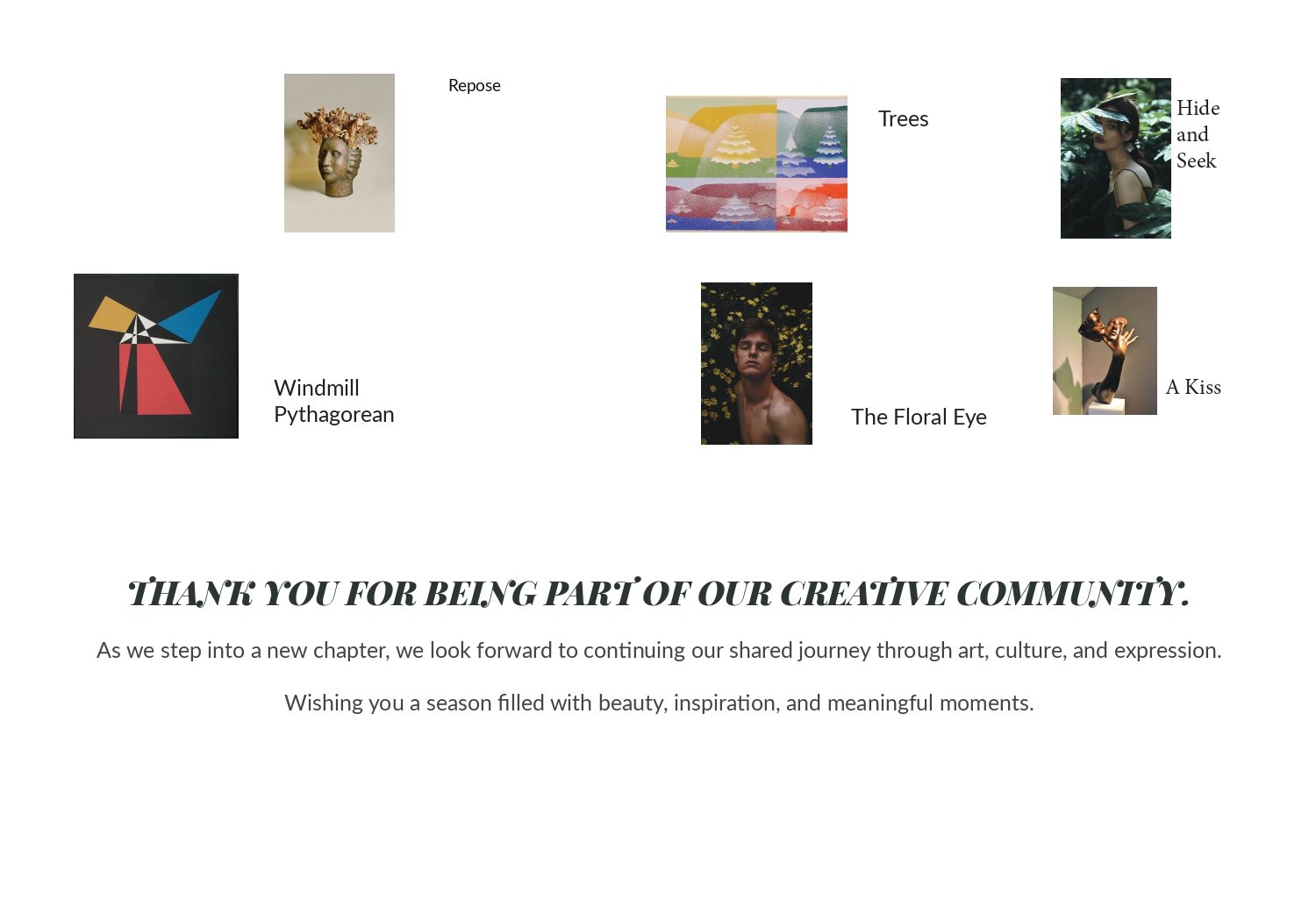
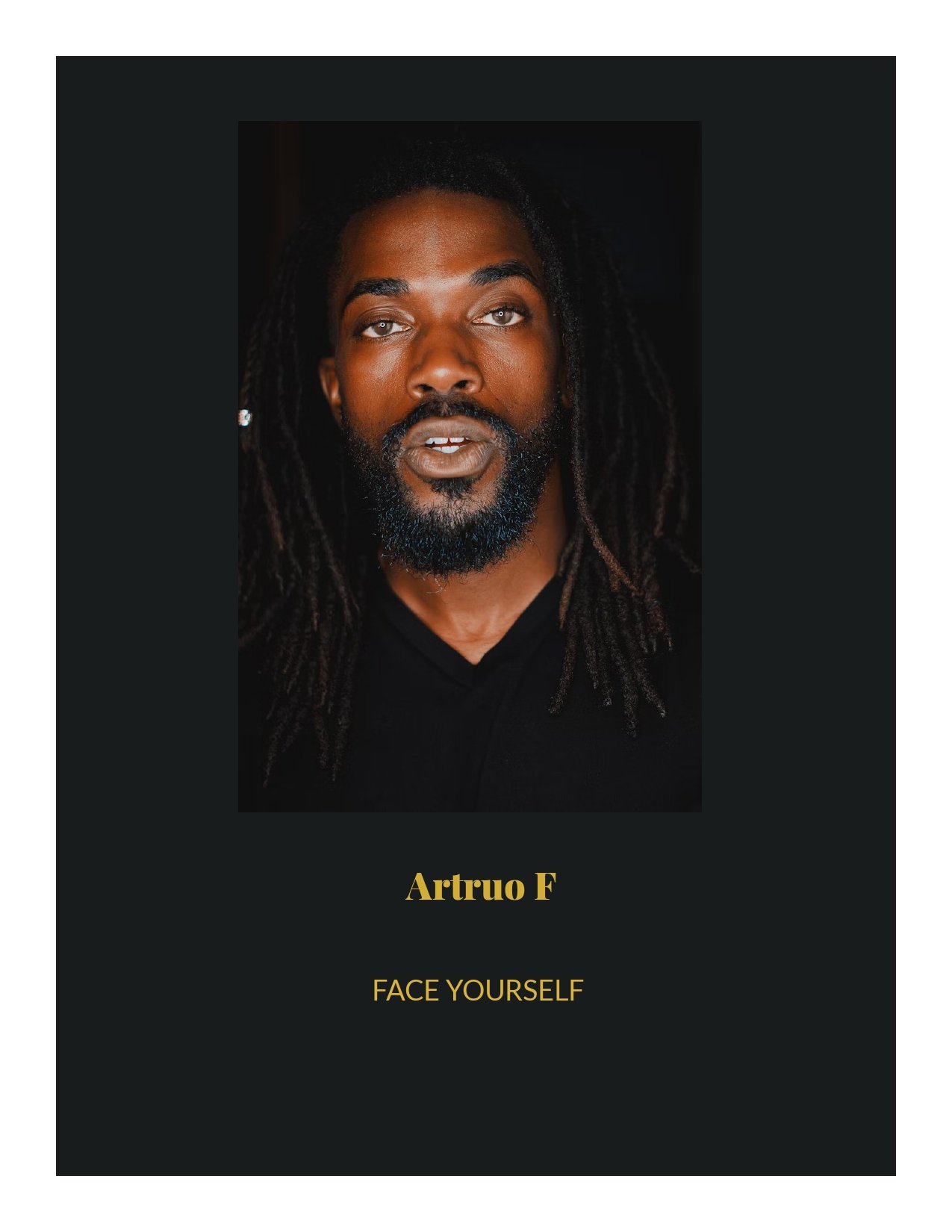
The catalog was designed to provide a seamless reading experience by combining structured layouts, balanced typography, and carefully placed imagery. Each spread guides readers through the exhibition while maintaining a clean and consistent visual identity.
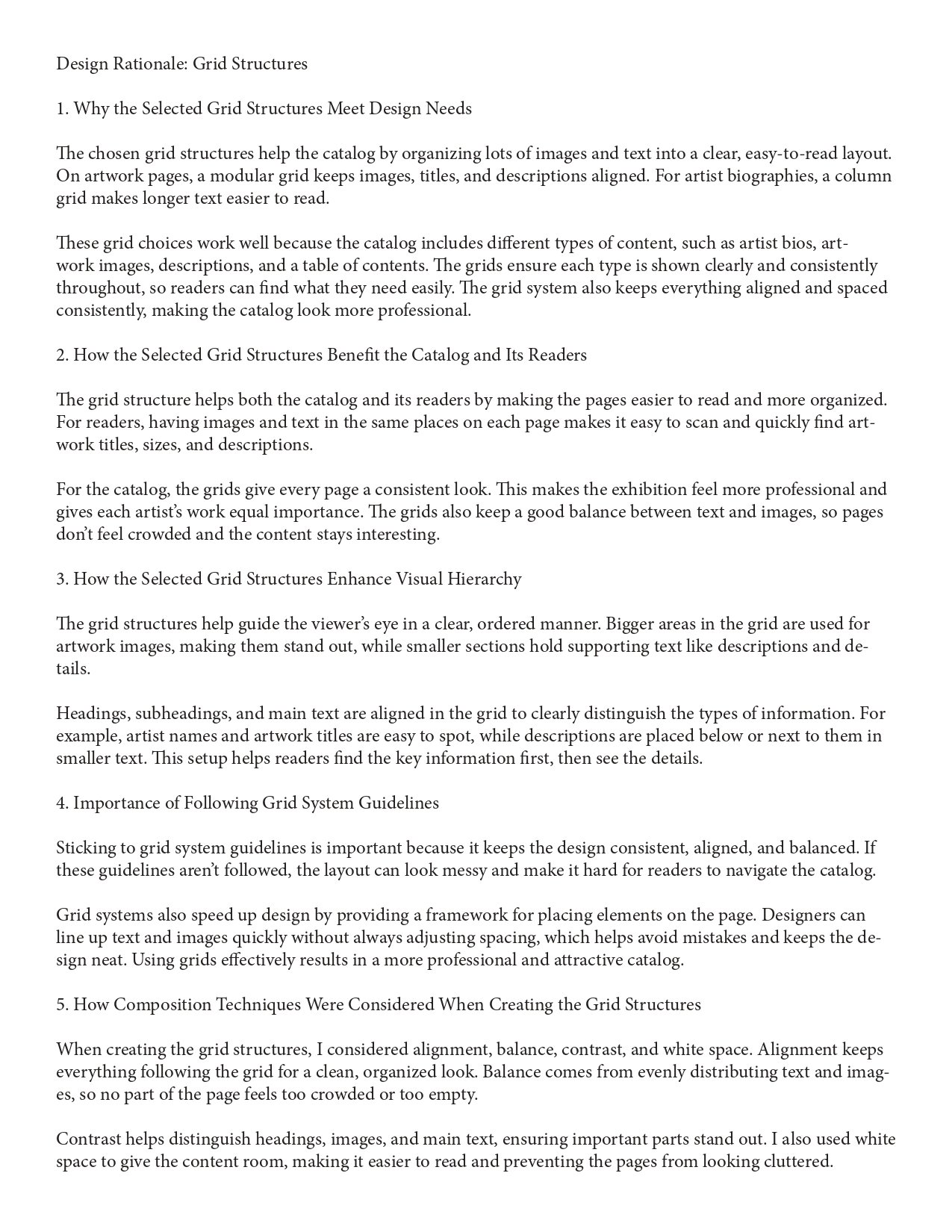
Clear heading levels and readable body text create an organized and accessible reading experience.
A consistent editorial grid keeps content aligned and creates visual balance throughout the publication.
Artwork and supporting visuals are positioned to complement the content while maintaining generous white space.
Headings, images, captions, and body text are arranged to guide readers naturally from one section to the next.
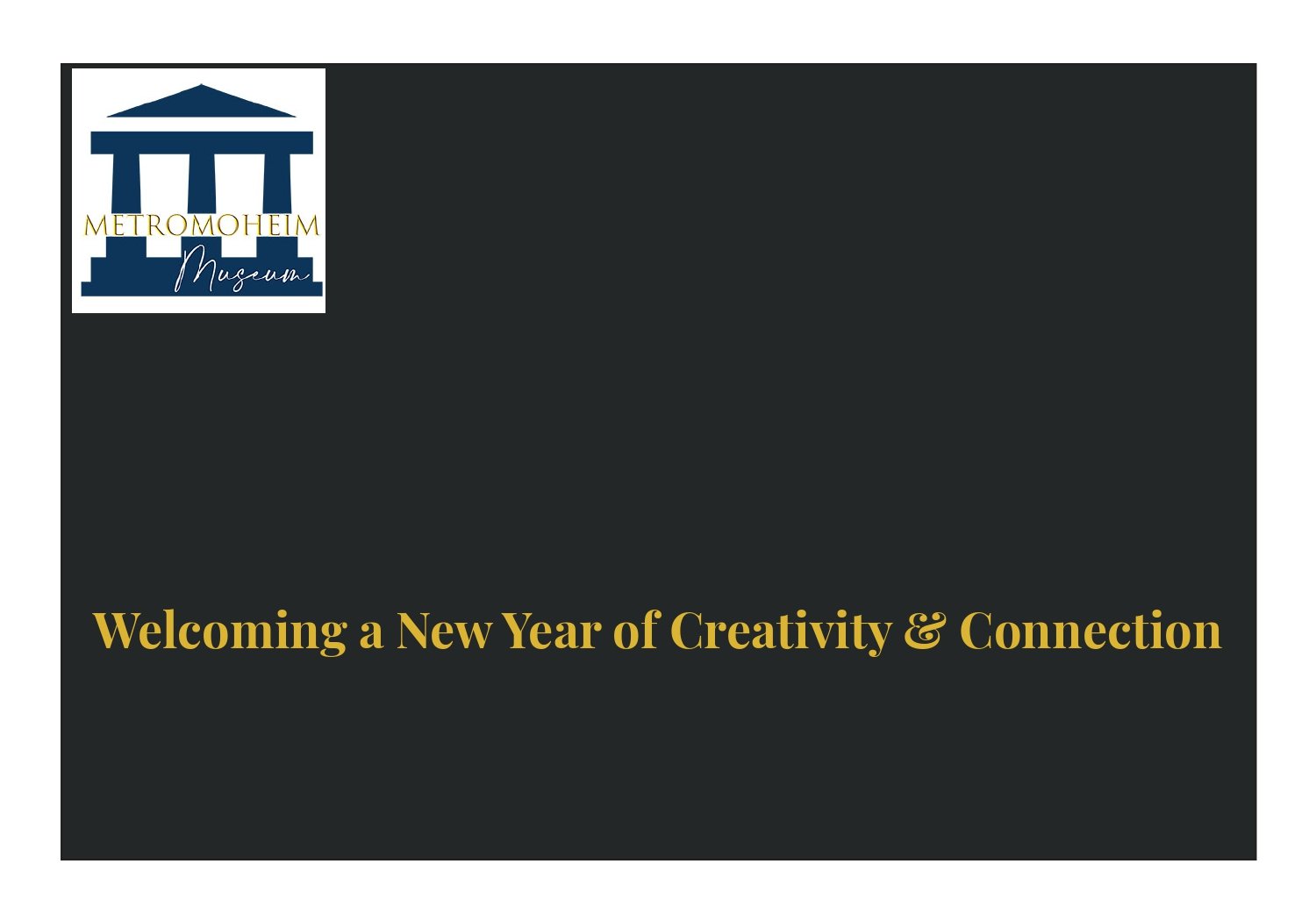
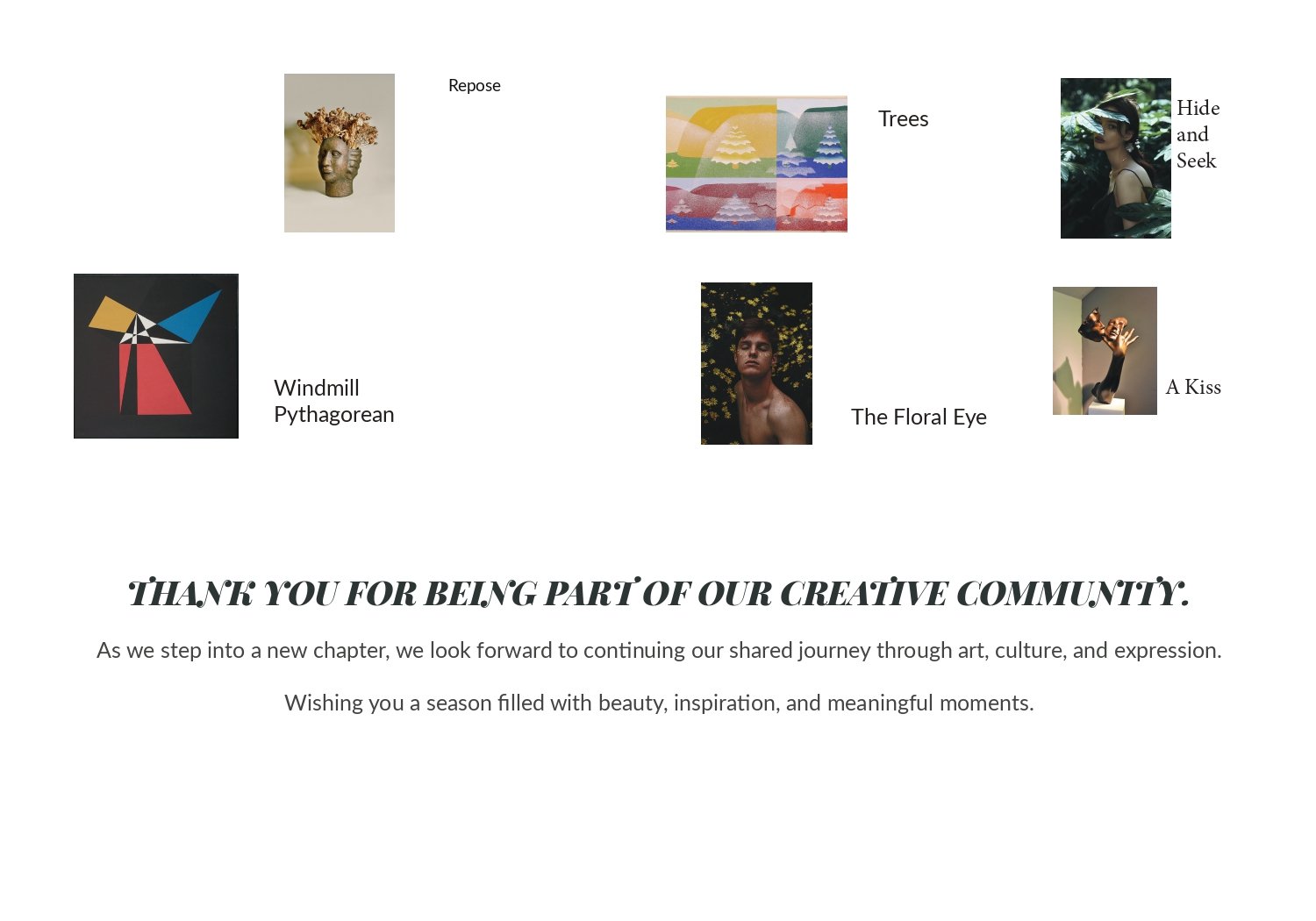
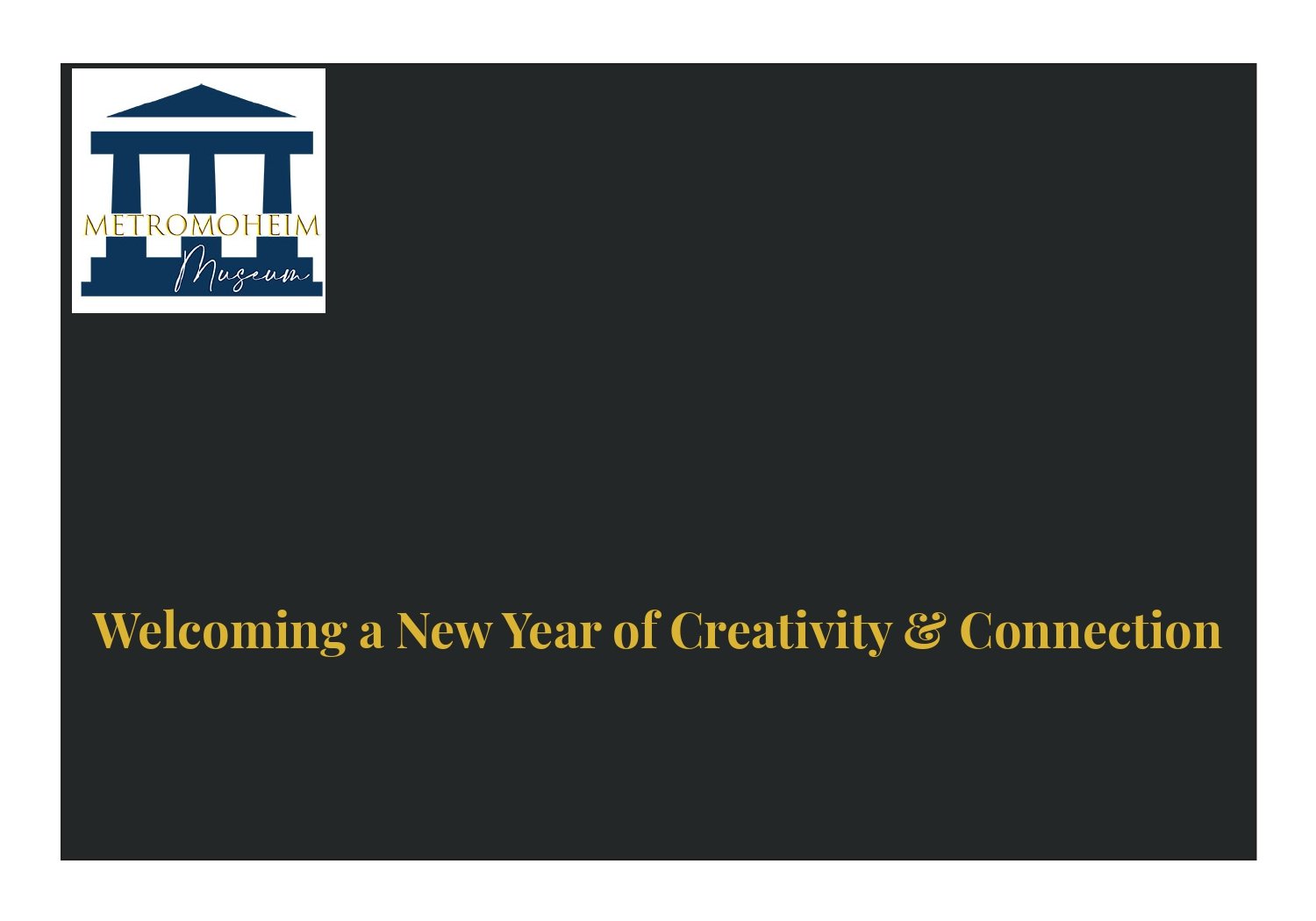
The greeting cards follow the same color palette and design language as the museum catalog.
Designed for professional print production with balanced composition and spacing.
Each card reinforces the exhibition’s branding while showcasing featured artwork.
The presentation boards summarize the complete museum design project by combining editorial layouts, visual identity, print applications, and supporting materials into one cohesive presentation. Together, they demonstrate the overall design strategy and the final communication system developed for the exhibition.
Communicates the museum concept through a unified visual language.
Maintains a cohesive design system across every presentation board.
Presents information using structured grids and readable typography.
Demonstrates catalog, greeting card, and supporting print materials.
Experience the final interface and explore how the differentscreens and interactions come together in the completed product.